

Learn about 10 popular red wines, their flavour profiles, pairings, and serving tips to help you select the perfect wine for any event.
Filter by
Filter by
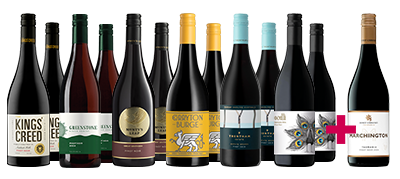 Save $70 on 12 Pinots offering silky drinkability! Plus a silky, top Tassie estate Gold winner.$263.88$374.00 per case
Red Wine FAQs
How is red wine made?
Just like with any wine, creating red wine kicks off with the harvesting of red wine grapes (which also includes purple or black-coloured grapes). The grapes are crushed to release the juice, and yeast and sugar are added. Left to ferment, the natural sugars in the juice turn to alcohol.
Red wine, however, gets its distinctive colour from the grape skins that are left to soak in the juice either before or during fermentation. The process – known as maceration – lasts anywhere from a few days to a few months, with longer soak times yielding a darker hue and more pronounced flavours. The grape skins and seeds, if used, also add to the wine’s tannic structure and taste.
Once fermentation is complete, the wine is typically aged further in an oak barrel or bottle.
The choice of grape and where it is grown play a vital role in the final taste and personality of red wine.
What are the main styles of red wine?
Our collection covers a diverse range of styles, from light and fresh to deep and powerful. To help you find the right bottle, we break our red wines down into three distinct structural profiles:
Light-Bodied & Vibrant: Driven by thin-skinned varieties like Pinot Noir and Grenache. These wines feature bright red fruit notes (like cherry and strawberry), low tannins, and high natural freshness.
Medium-Bodied & Savoury: Centred around smooth classics like Merlot and European styles like Tempranillo. These offer a plush, velvety texture with a perfect balance of dark plum flavours and subtle spice.
Full-Bodied & Rich: Led by heavy-hitting Australian favourites like Shiraz, Cabernet Sauvignon, and intense Durif. Expect bold, powerful black fruit profiles, firm structural tannins, and rich oak complexity.
What is the difference between dry and sweet red wine?
The main difference comes down to the amount of natural residual sugar left in the wine after the fermentation process. While dry reds have virtually no sugar left and taste more structured, sweet reds retain a noticeable touch of natural grape sugar, making them much fruitier and lighter in style.
To help you choose the right style for your palate, here is how they break down:
Dry Red Wines: During winemaking, the grape sugars are fully converted into alcohol, leaving a wine that isn't sweet. Because of this longer fermentation, dry reds generally have a higher alcohol content (around 13.5% to 15% ABV), which gives them a richer flavour and a more noticeable weight in the mouth. Popular examples include Tempranillo, Merlot and Cabernet Sauvignon.
Sweet Red Wines: These wines undergo a shorter fermentation process, meaning the yeast is stopped before all the natural grape sugars can turn into alcohol. Because of this, sweet red wines usually pack less of an alcoholic punch (often sitting under 10% ABV) and offer a distinctly soft, luscious, and fruit-forward taste profile.
What is sweet red wine?
Red wine gets the ‘sweet’ tag when there’s more residual sugar left even after the grape juice has done its time fermenting. That’s no accident – the leftover natural sugar gives these wines their characteristic sweet touch.
With a shorter fermentation, less sugar is converted into alcohol. That’s why sweet red wines usually pack less of a punch – they’re often under 10% ABV.
What are red wine blends?
Red wine blends are wines created by mixing different types of red grapes or wines, offering a unique combination bursting with flavours. The winemaker’s skill is key here, as they mix various grape varieties in precise ratios, guiding the flavour, body, and overall profile, creating a balanced, harmonious wine. They can blend the grapes at any point during the winemaking process, and the ratio of grape varieties can vary, as each winery has its own unique signature blend.
Examples include the world-famous Bordeaux blend, comprising Cabernet Sauvignon, Merlot, Cabernet Franc – and GSM, a mix of Grenache, Shiraz, and Mourvèdre. Blending enables winemakers to showcase their creativity, creating distinctive offerings beyond the scope of traditional, single-variety wines.
What is the smoothest red wine?
Grape varieties such as Pinot Noir, Merlot and Grenache are typically low in tannin and, therefore, are regarded as smooth. Although ‘smoothness’ can vary depending on the winemaking process and where the wine is produced.
Pinot Noir is typically considered to be one of the smoothest red wines. It’s known for its velvety texture, silky feel, and low tannins. Light-bodied, its delicate yet complex flavours of red fruits, earthy undertones and subtle spice glide across the palate.
Merlot is another wine hailed as smooth thanks to its velvety texture, soft tannins and rich fruit flavours like plums, cherries and blueberries. This makes Merlot smooth and easy to drink, especially for those new to red wine or those who prefer a gentler, softer wine.
With low tannins, Grenache wines can range from light to medium-bodied, with a smooth and silky mouthfeel.
How should I serve red wine?
When serving red wine, there are a few things you should consider to get the best from your wine.
- Temperature: Red wine is best served slightly below room temperature to keep its flavours and aromas. Lighter red wines such as Pinot Noir and Beaujolais benefit from cooler temperatures, typically around 12-15°C, while fuller-bodied reds such as Cabernet Sauvignon and Shiraz can be served slightly warmer, around 15-18°C.
- Decanting: Some red wines, particularly those with high tannins or that have been aged, can benefit from decanting. Decant wine by pouring it into a decanter or carafe, giving it time to ‘breathe’. This contact with oxygen in the air helps to soften harsh tannins. Robust and tannic wines such as Cabernet Sauvignon and Bordeaux can benefit from two or three hours of decanting. Medium-bodied wines such as Merlot and Chianti require one or two hours to breathe, while lighter and older wines may only need around 30 minutes.
- Glassware: Choose red wine glasses with large bowls and wide rims to let the wine breathe and concentrate the aromas. The larger surface area of the bowl allows for more interaction with oxygen, enhancing the flavours and aromas of the wine.
- Food pairing: Red wine pairs well with a wide range of foods. Lighter reds like Pinot Noir can be paired with poultry, fish, or vegetarian dishes, while fuller-bodied reds like Cabernet Sauvignon and Merlot pair well with beef, lamb, or strong cheese. Experimenting with different food and wine combinations can unveil exciting flavour harmonies.
- Serving size: A standard serving of red wine is around 150 ml, but feel free to adjust based on personal preference.
How long does red wine last after opening?
Once opened, red wine typically keeps its flavour for three to five days if kept in a cool, dark place. Replace the cork or use a wine stopper to prevent oxygen from getting into the bottle. Wines with screw caps should be sealed securely to maintain their flavour.
Remember, the flavour of red wine may gradually change over time, so it’s best to drink it within a couple of days.
How should I store red wine?
Store red wine correctly if you want to maintain its aromas and flavours. Red wines can quickly spoil when cellared in direct sunlight. Here are some things you can do to make sure your wine tastes delicious:
- Temperature: Store red wine in a cool, dry environment with a consistent temperature (around 12-18°C). Avoid storing red wine in areas prone to temperature fluctuations, such as near heaters or windows, as this can affect its taste and ageing potential.
- Humidity: The storage area should have a moderate humidity of around 70% to keep the cork moist. If the humidity is too low, you could consider using a humidifier or placing a bowl of water nearby to increase the moisture in the air.
- Avoid light: Direct sunlight or harsh artificial light can affect the quality of red wine. Store red wine bottles in a dark place or use wine storage that provides UV protection to shield the wine from light.
- Store sideways: Store red wine bottles on their side, as it keeps the cork in contact with the wine. This prevents the cork from drying out and allowing air to enter the bottle.
- Odour-free environment: Red wine can absorb strong odours, especially when opened. This can taint the wine’s aroma and flavour, so it’s best to store them away from other produce.
- Keep it still: Avoid moving wine too often and keep away from vibrations, as this can speed up chemical reactions and spoil the wine.
If you plan to store red wine for a long time, you could consider investing in a wine fridge.
How do I get the best value when buying red wine online?
The most cost-effective way to shop our red wine range is by building a case of 12 or more bottles to unlock our mix-and-match case-rate discount. You can completely customise your dozen with different varieties, regions, and price points—the cheaper per-bottle rate triggers automatically as soon as your box hits 12 bottles. Alternatively, you can save significantly on premium bottles by selecting one of our pre-curated red wine mixed dozens.
Why Wine Lovers Choose Laithwaites

Family Grown & Owned
For 50 years, we’ve partnered with family wineries globally to bring you wines with a story.

Expertly Selected
We taste over 40,000 wines a year, selecting less than 800 so you know you're only getting the best.

100% Money-Back Guarantee
Love every drop or get your money back, no questions asked.
Red Wine Guides & Inspiration

The Ultimate Guide to Shiraz
Discover everything about Shiraz, from its French roots to Australian dominance, with tasting notes, food pairings, and wine recommendations.

Light red wines to enjoy
Explore the best light red wines like Barbera and Pinot Noir, perfect for year-round enjoyment, with pairing tips and serving suggestions for every dish.