

Lost Farm Tasmania Chardonnay 2023
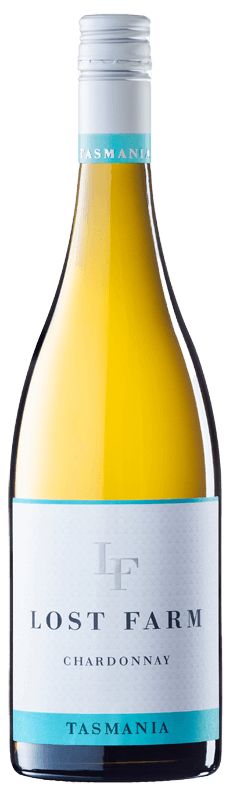
- White - Dry
 Australia


Wine Details
- Chardonnay
- 7.7025 Units
- Vegan
- 13% ABV
- 750 ml
- Vegetarian
- 31 December 2030
Savour a thoroughly impressive Trophy-winning, Gold, 95pt elegant, complex Chardonnay of peach, melon and subtle oak from fruit sourced in the cold climate of Tasmania’s Tamar Valley. Crafted by fifth generation winemaker, Richard Angove.
Fifth-generation South Australian winemaker and grape grower Richard Angove fell in love with the Tamar Valley while working vintage in '08, but it took him a decade to realise his ambition to work with a small group of growers to produce wines in the region. Angove’s Lost Farm label marked both a new frontier for the South Australian family business, moving into Tasmanian wine for the first time, but its name was also a significant nod to history.
Half a century ago, the South Australian government compulsorily acquired prime viticultural land including some really impressive vineyard sites – including some that went into Penfolds Grange and including Angove’s first vineyard – in order to build a new suburb of Adelaide. Richard’s grandfather fought it all the way, but unsuccessfully. Richard Angove, talking to John Lehmann in The Australian, explains: “There’s always a nod to the previous generations that have invested so much of their time and energy, to give us the opportunity to make the best tasting wines that we can every vintage.”
Savour a thoroughly impressive Trophy-winning, Gold, 95pt elegant, complex Chardonnay of peach, melon and subtle oak from fruit sourced in the cold climate of Tasmania’s Tamar Valley. Crafted by fifth generation winemaker, Richard Angove.
Fifth-generation South Australian winemaker and grape grower Richard Angove fell in love with the Tamar Valley while working vintage in '08, but it took him a decade to realise his ambition to work with a small group of growers to produce wines in the region. Angove’s Lost Farm label marked both a new frontier for the South Australian family business, moving into Tasmanian wine for the first time, but its name was also a significant nod to history.
Half a century ago, the South Australian government compulsorily acquired prime viticultural land including some really impressive vineyard sites – including some that went into Penfolds Grange and including Angove’s first vineyard – in order to build a new suburb of Adelaide. Richard’s grandfather fought it all the way, but unsuccessfully. Richard Angove, talking to John Lehmann in The Australian, explains: “There’s always a nod to the previous generations that have invested so much of their time and energy, to give us the opportunity to make the best tasting wines that we can every vintage.”