

- Home
- blog
- wine knowledge
- Blog - Organic Wines
Your guide to organic and biodynamic wines
A golden age for wine lovers
Since the 1990s, we’ve been living in a golden age of wine. Quality is at an all-time high and there are more styles to choose from than ever before. But that can lead to confusion, especially with newer categories such as organic, natural and biodynamic wines adding to the mix.
If you’re wondering what all these winemaking terms mean (and what difference they make to the wine in your glass), don’t worry – you’re in the right place.
Organic and biodynamic wines - quick overview
In case you're pushed for time, here's a quick summary of the main categories:
- Organic wines - the grapes must be grown without the use of proscribed chemicals, and the wine must be made according to strict rules in the cellar. Organic wine is a legal term, and the exact conditions for labelling a wine organic are laid down by law.
- Sustainable wines - the term 'sustainable' refers to the impact of the wine on the environment, from reducing cardbon emissions to supporting the local community. It is a broader term than organic, with no single internationally agreed set of standards.
- Biodynamic wines - a system based on the teachings of Rudolf Steiner, which treats the vineyard as a self-sustaining ecosystem. Planting and harvesting are planned according to the phases of the moon, and natural remedies replace chemical treatments.
- Natural wines - also known as minimal intervention wines, these are made with minimal interference from the winemaker. Avoiding sulphur, using naturally occuring yeasts and fermenting the wine until there is zero residual sugar are common practices.

What are organic wines?
Organic wine is the most clearly defined of these categories and the easiest to understand. Essentially, an organic wine must use grapes that are grown with minimal use of chemical treatments and be made following approved practices in the cellar.
Shouldn't 'organic' mean no chemicals are used in the vineyard? You might think so. But some treatments are still allowed for making organic wines. Spraying vineyards with copper sulphate (aka Bordeaux mixture), for example, can be used to prevent mildew forming on the grapes.
That said, the rules for organic are pretty strict - and a winery must comply with the regulations for at least three years before it can use the term organic on the label.
Why drink organic wine?
Does organic wine taste better? There's no official proof - but many people think it offers a purer expression of the fruit flavours of the grape.
However, many people prefer to drink organic because they don't like the idea that their wine might contain chemical residues. Others favour organic wine because they don't like the land being sprayed with chemicals - especially insecticides - for environmental reasons.
One thing's for sure: if a winemaker has spent three years gaining organic accreditation, they're likely to have taken care in other areas of winemaking too - a good indication of quality.

What are sustainable wines?
Sustainable wine is a broader category that covers both environmental and social responsibility in wine production.
There's no single governing authority or set of guidelines that defines sustainable wine, but there are different bodies for different countries and regions.
Our friends at the RedHeads winery, for example, have won the Drinks Business Award for Water Management in Wine, which is especially relevant in Barossa, where water is a precious resource. RedHeads has also received a Special Commendation for its work in remewable energy, and the Environmental Excellence Award from the South Australian Wine Industry Association.
RedHeads is also working towards certification from Sustainable Winegrowing Australia. This is the most comprehensive measure of sustainability, as it covers the "environmental, social and economic" aspects of wine production. Or, in plain speaking terms, the winery is striving to be a force for good in the world, as well as making excellent wine. And we'll drink to that.
Why drink sustainable wine?
Choosing sustainable wine makes a positive impact - whether by supporting those less fortunate in the community or by preserving the planet's resources for future generations. And that's reason in itself. But does it taste better?
Studies have shown that if you tell someone they're drinking expensive wine, they'll rate it more highly. Not because they're easily influenced - but because the feeling of having a 'treat' simulates pleasure sensors in the brain that elevate the taste. Who's to say that the feel-good factor of drinking sustainable wine doesn't improve the taste too?
What are biodynamic wines?
This is where things get a bit mystical. Ask most wine professionals (especially wine buyers) and they'll tell you they love biodynamic wines. Ask them why, and they may be a little more vague.
But first up, what is biodynamic winemaking?
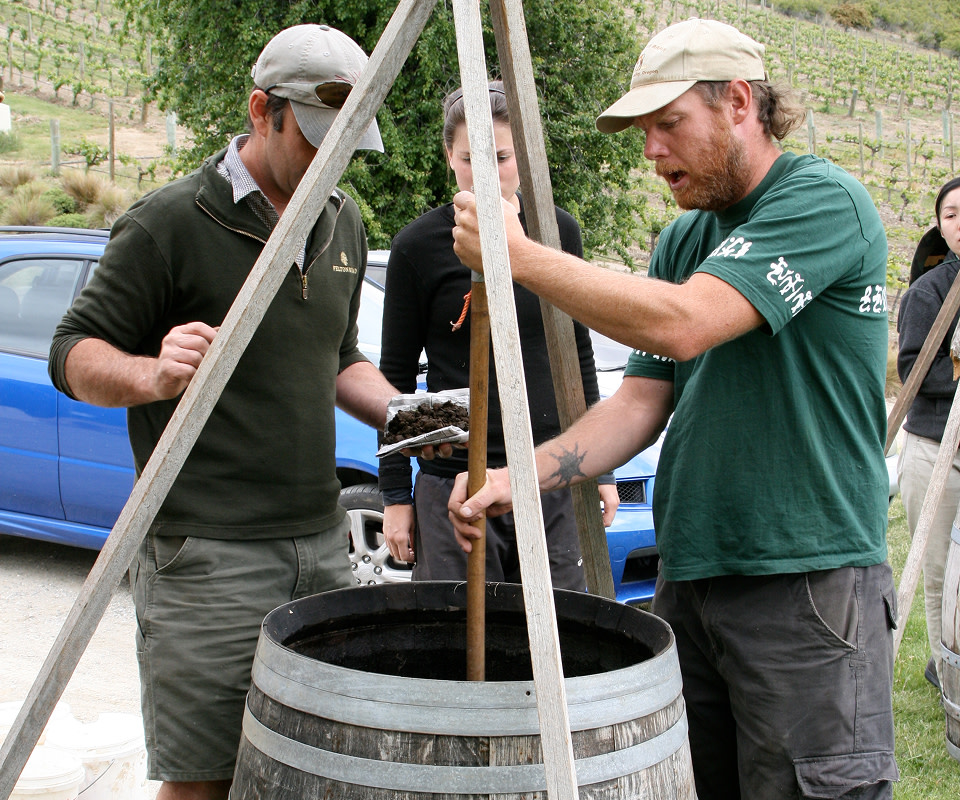
Well, for starters, biodynamic wines has to meet all the criteria for organic wine. But biodynamic winemakers go further, following the teachings of Rudolf Steiner. Methods include planting, pruning and harvesting according to the cycles of the moon, and using special herbal preparations instead of chemical treatments. So why does this make better wine?
Well, it could be that buying a yak's horn stuffed with yarrow leaves to ward off vine pests really does improve the wine. Or, as our head buyer Ben Cohen reckons, it could just be because "biodynamic winemakers are like gardeners". Their methods mean they have to spend day and night tending to the vines - and that level of care simply produces better wine.
Why drink biodynamic wine?
In three words - because it's good. As mentioned above, professional wine buyers tend to love biodynamic wines - and they've sampled more wines than anyone else.

What are natural wines?
Do you remember that one kid in your friend group who had to take things a little further? Well, that's how it is with natural winemakers. Or at least according to some...
The respected Rhône winemaker Michel Chapoutier is a pioneer of both organic and biodynamic winemaking - but even he describes natural winemakers as "hippies from another planet". So, what are natural wines - and why do they provoke such a reaction?
Another term for natural wines is minimal intervention wines. Makers of natural wines embrace both organic and biodynamic practices but go even further in their quest for authenticity.
Examples of natural winemaking practices include letting weeds grow between the rows of vines, treading the grapes by foot, and relying on wild yeast strains in the vineyard for fermentation. But what upsets winemakers like Michel Chapoutier is that many also do not use sulphur dioxide, which keeps the wine fresh and preserves its fruit flavours.
Bear in mind that sulphur dioxide is allowed in organic and biodynamic wine and has been used since Roman times. Without it, the wines we know and love would be unrecognisable. As a result, many critics describe natural wines as tasting 'off' or 'like vinegar'. Fans embrace their unusual flavours, describing them as 'funky', 'earthy' and 'sherry-like'.
Why drink natural wine?
If you fancy something different, maybe try a natural wine. Some can be excellent. But a word of warning: if you plan to serve natural wine at a dinner party, taste it first to make sure it's not too 'out there'. Otherwise, you might get some odd looks from around the table.

Organic, sustainable and biodynamic wines to get you started
In case all that reading has got you thirsty - here are some sustainable, organic, and biodynamic wines you can order right away.
Best sustainable wine
The RedHeads team aim to be sustainable in all aspects of their winemaking. Their Dan'Jango Shiraz is as colourful and dramatic as its label suggests, with flavours of plums and black olives, and a lingering dark chocolate character.
Best organic wine
Tscharke use grapes from three separate vineyards in the Barossa sub region of Marananga (home to some of the region's top wineries) for this benchmark organic Shiraz. Expect flavours of blueberry and plum with a vibrant fresh quality.
Best biodynamic wine
The Hedonist Sangiovese, McLaren Vale
The McLaren Vale is a top spot for hand-crafted wines of real character. Exactly the kind of place, in fact, where you'd expect to find a juicy biodynamic Sangiovese like the Hedonist - described as "thoroughly delicious" in the Halliday Wine Companion.
That's just a small taste of what we have on offer. Explore the full range