
- Home
- blog
- wines of the world
- International Viognier Day
A profile of the grape
First question … how do you pronounce it? Simply – vee-on-ee-yay
Viognier is a very aromatic, characterful grape, best known in wine circles for its pricy offerings from the northern Rhône. Most famous of all is Condrieu – a small wine region, producing long-lived, ethereally scented, mineral-fresh whites that can age very gracefully.
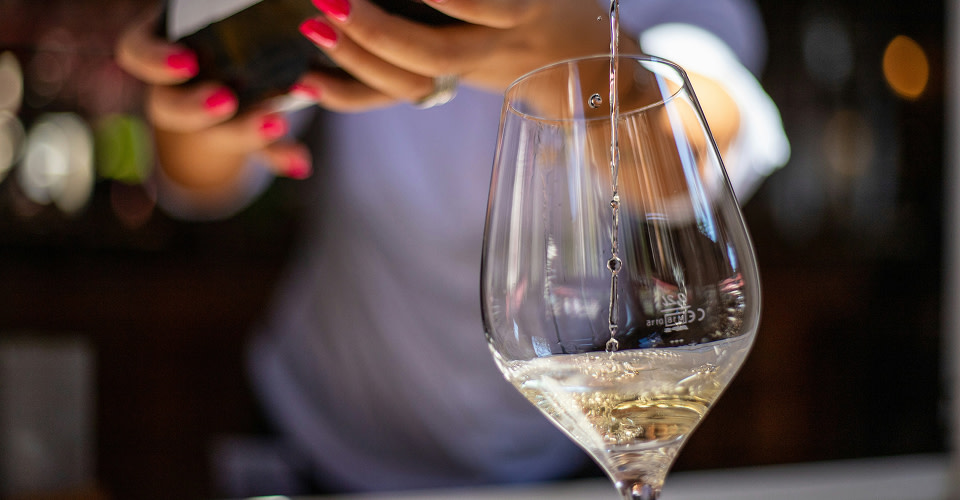
Taste-wise, this fine white grape can produce exotic wines with good weight and roundness, aromas of tangerine and peach, rose petal and honeysuckle. With its relatively low acidity, it has a silky, almost oily, caressing texture in a very pleasant way. In the right hands, in a cooler climate, it retains a steely freshness, too.
Viognier also has a rare distinction in that it is sometimes used to add complexity and aroma to red wines. The classic northern Rhône red Côte Rôtie is made by co-fermenting Syrah and Viognier grapes – a recipe has been adopted by a few adventurous winemakers around the world. Sample it with the Salmon Wildflower Syrah Viognier 2020 in our range.
What other white grapes might it co-habit with?
Winemakers often like to blend Viognier with other white Rhône varieties, namely Roussanne and Marsanne, plus Grenache Blanc, Maccabeo, Bourboulenc and Vermentino/Rolle.

Viognier – a bit of
history and where it travelled to
Viognier was first grown in the northern Rhône – in Condrieu, as we said, and in what must be the smallest appellation in France, Château-Grillet … so small, in fact, the vineyards are all owned by one family.
At one time, Viognier became so out of fashion with drinkers, as well as unpopular with growers as it is particularly finicky to cultivate, that in the 1960s only 12 hectares remained. All of those were in the northern Rhône.
Its survival, in fact, can be laid at the door of one important Australian family winery – Yalumba. A winemaker from the cellar encountered Viognier in 1970, but parked its pleasurable taste until a decade later. Those intervening years saw the rise of big, bold and weighty Chardonnays in Australia. Remembering the taste of that Viognier and its pleasing roundness, the employee suggested Yalumba get ahead of the curve, import some Viognier vines and trial it. They did just that – planting a mere 1.2 hectares in the Barossa Valley. The rest is history in Oz, with Viognier – despite its very French, foxing-to-pronounce name – becoming one of the country’s most popular whites.
California followed where Australia had led and Viognier became a cult grape in that region too. Washington growers tried it as well, with success.
Today, there are about 16,000 hectares planted worldwide. Still at its apogee in the northern Rhône, there’s also a little in the southern Rhône and parts of southern France, especially the Languedoc. Italy accounts for 1,800 hectares and the USA only a few less than that, followed by Chile, Argentina, South Africa and Australia all on about a par, with just under 1,000 hectares. In Australia today around 360 wineries grow a little of it and comprises 1.6% of the total white grapes planted.
Wherever it’s grown, it prefers a cooler climate – ideally warm to moderate days with cool nights – so it can gain full ripeness slowly, gaining layers of flavour.
What are the different styles you might expect?
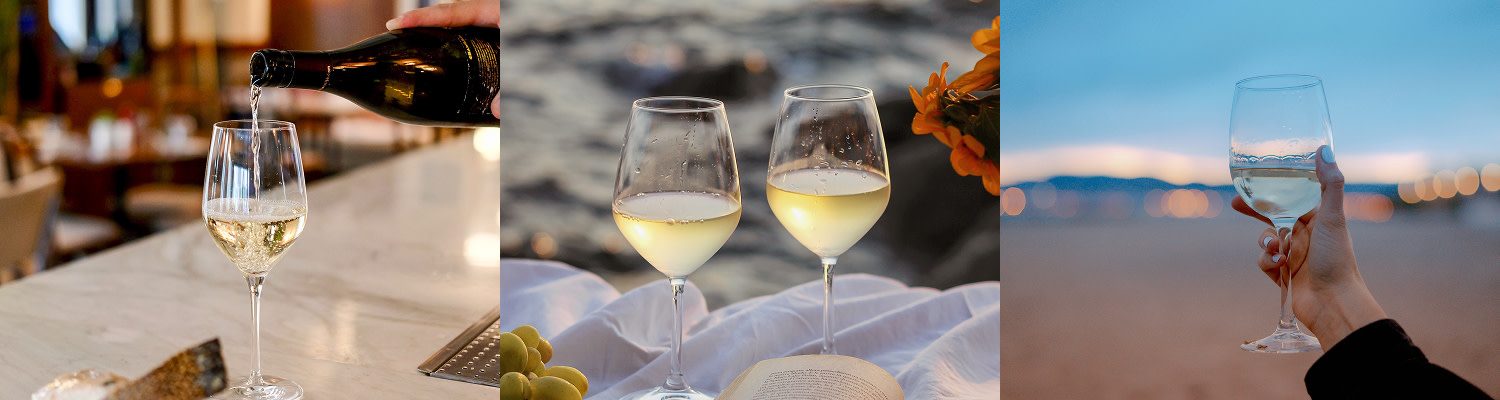
When this variety is allowed to come to full ripeness, Viognier shows the weight and creamy roundness of Chardonnay. However, its aromas are wildly different, with Viognier offering exotic aromas of rose petal and spice. Its flavours tend to be ripe and full too – creamy peach, tangerine, mango even – with medium to low acidity.
For a crisper, less aromatic style, a winemaker must pick the grapes early. Then the wine will be lighter and fresher, with less pronounced aromatics and only a suggestion of stone fruits.
In either style, the wine will nearly always be dry, while alcohol levels tend to be on the higher side – 13° upwards. Most are best drunk young, while the fruit and acidity is in balance. A few, more pricey examples, particularly those that are matured on lees in oak barrels, will be ‘built’ for ageing a couple of years or so.
Food partners
With Viognier’s roundness and weight, it provides a good foil to dishes as diverse as roast chicken or panfried scallops especially when matched with a little celeriac purée.
For more exotic matches, try Viognier with a Moroccan-style pilaf, as the nuts and dried apricot elements will highlight similar flavours in the wine. Its ripe fruit flavours can also stand up to the hot spice of Asian curries, with the creaminess of the coconut and aromatics of the lemongrass finding some echoes in the wine.
The same goes for Indian dishes – spices such as cumin, ground coriander and turmeric work well with the ripe fruit, spice and floral taste notes of the wine.
The lighter, zippier styles from say northern Italy or South Africa make a very refreshing glass on their own or with lighter dishes of seafood. This style of Viognier can cope with a few hours chilling in the fridge to lend a more refreshing edge.
Serving
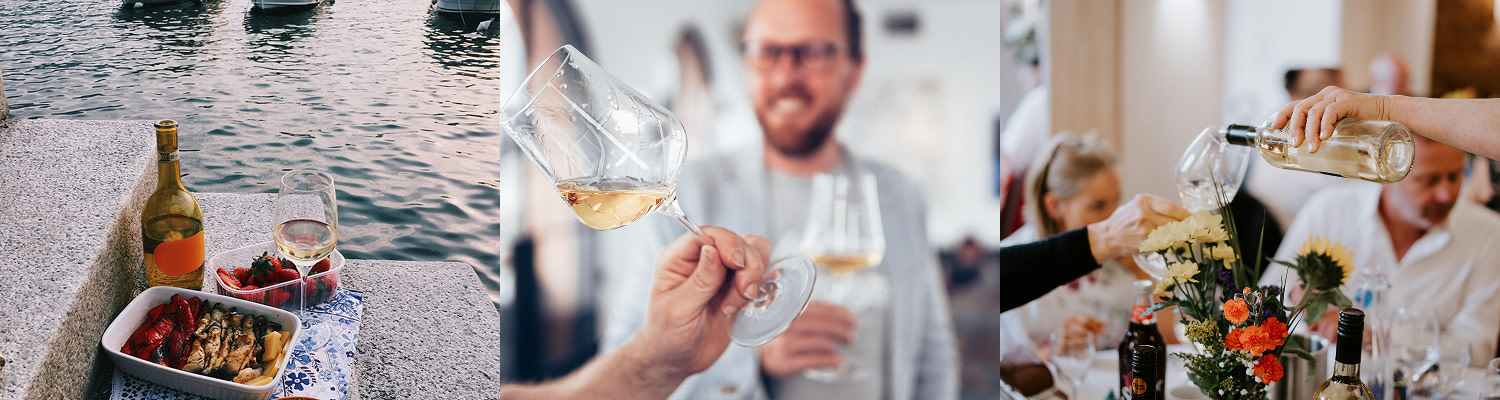
Tulip-shaped glasses, effectively funnelling the aromas up to your nose, are best for serving Viognier wines. No need to let the wines ‘breathe’ – they should express themselves as soon as the cork is popped or the screwcap is twisted.
Viognier’s richer style is best served lightly chilled, like a good Chardonnay – too cold and you’ll lose all the rich, exotic flavours and its pleasing creamy roundness. A handy tip – fully chill the bottle in the fridge, then let it sit at room temperature for 30 minutes to warm up.
What are the key Australian regions producing great Viognier?
In Victoria – the Grampians, Yarra Valley and Geelong
In South Australia – Barossa Valley, Eden Valley, Adelaide Hills, Fleurieu Peninsula
In New South Wales – Hunter Valley
Viognier likes to ripen slowly to gain its rich flavour and aromas, so a moderate climate – warm days and cool nights – is always best.
In Victoria, that takes in the Grampians, with its moderately warm days and cool nights thanks to the altitude of its vineyards and the influence of the Southern Ocean.
Just an hour’s drive from Melbourne, Yarra Valley also boasts coolness thanks to altitude and proximity to the ocean. Its wines are very highly respected with good Viogniers combining all that luxuriously ripe, silky peach fruit with underlying minerality.
Finally in that Victorian trio, there’s Geelong, with some vineyards almost running down to the ocean. That lends climate freshness while limestone soils will add to the minerality.
Likewise, within South Australia, Viognier performs best in the cooler pockets – namely vineyards with altitude in the Eden Valley and Adelaide Hills and near the coast in the Fleurieu Peninsula.
Being the original source of Aussie Viognier, the Barossa shouldn’t be forgotten either. In its coolest pockets, the Barossa produces a delicious, opulent and rounded style.
The Fleurieu Peninsula and its subregions like Langhorne Creek lie close to the ocean which results in a cooler climate, just perfect for the long, slow ripening of Viognier. Sample that delicious balance with the RedHeads Viognier in our range.
Viognier’s ‘happy place’ within New South Wales is the Hunter Valley. In the foothills of the Brokenback Range, its vineyards stretch up to nearly 1600 metres altitude with cool nights that lend a fresh edge and produce well-balanced white wines.
Today there are 765 hectares of Viognier in Australia all together, which makes up 1.6% of the continent’s white grapes.